How to Diagnose Garage Door Opener Issues
You press the button on your remote control, expecting a smooth entrance into your home, but nothing happens. A malfunctioning automatic system immediately halts your daily routine and leaves your property vulnerable. Before you panic and assume you need a complete system replacement, taking a few moments to evaluate the situation can save you significant time and money. Many common malfunctions, often requiring simple garage door opener repair, stem from electrical glitches or minor hardware misalignments that you can easily identify yourself. If you discover a major mechanical failure during your inspection, reaching out to Garage Door Repair Services Fort Pierce FL ensures you get the professional help you need safely. In this guide, we will walk you through the essential steps to pinpoint exactly what is going wrong with your heavy equipment.
Step-by-Step Troubleshooting for Homeowners
When your automatic motor stops working correctly, a systematic approach helps you isolate the root cause of the malfunction. Start by observing the specific symptoms your machinery displays. Does the motor hum without moving the drive belt? Does the door start to close and immediately reverse? Or is the entire unit completely unresponsive to both the wall switch and the remote controls? Answering these basic questions points you directly toward the source of the trouble.
Gathering these details not only helps you understand the problem but also provides vital information if you eventually need to schedule a professional garage opener repair. Technicians rely on these early symptoms to bring the right replacement parts and fix your system efficiently. Let us break down the diagnostic process into two main categories: electrical faults and mechanical failures.
Checking the Power and Safety Sensors
Always begin your diagnostic process by verifying the power supply. A tripped circuit breaker, a blown fuse, or a dead remote control battery perfectly mimics a catastrophic motor failure. First, try using the hardwired wall switch instead of your remote. If the wall switch works perfectly, you simply need to replace the batteries in your portable remote. If neither control method works, check the electrical panel in your home to ensure the breaker has not tripped.
Once you confirm the unit has power, evaluate the photo-eye sensors located near the concrete floor. These critical safety devices project an invisible beam across the entrance to prevent accidents. If dust, blowing leaves, or thick cobwebs block this beam, the motor will refuse to close the door. Wipe the small glass lenses with a soft, dry cloth. Also, check the indicator lights on both sensors; if one light blinks continuously, the units have fallen out of physical alignment. Gently adjust the plastic housing until the light turns solid. If the system still refuses to close after cleaning and aligning the sensors, a targeted garage opener repair might be necessary to fix internal wiring issues.
Identifying Mechanical and Balance Problems
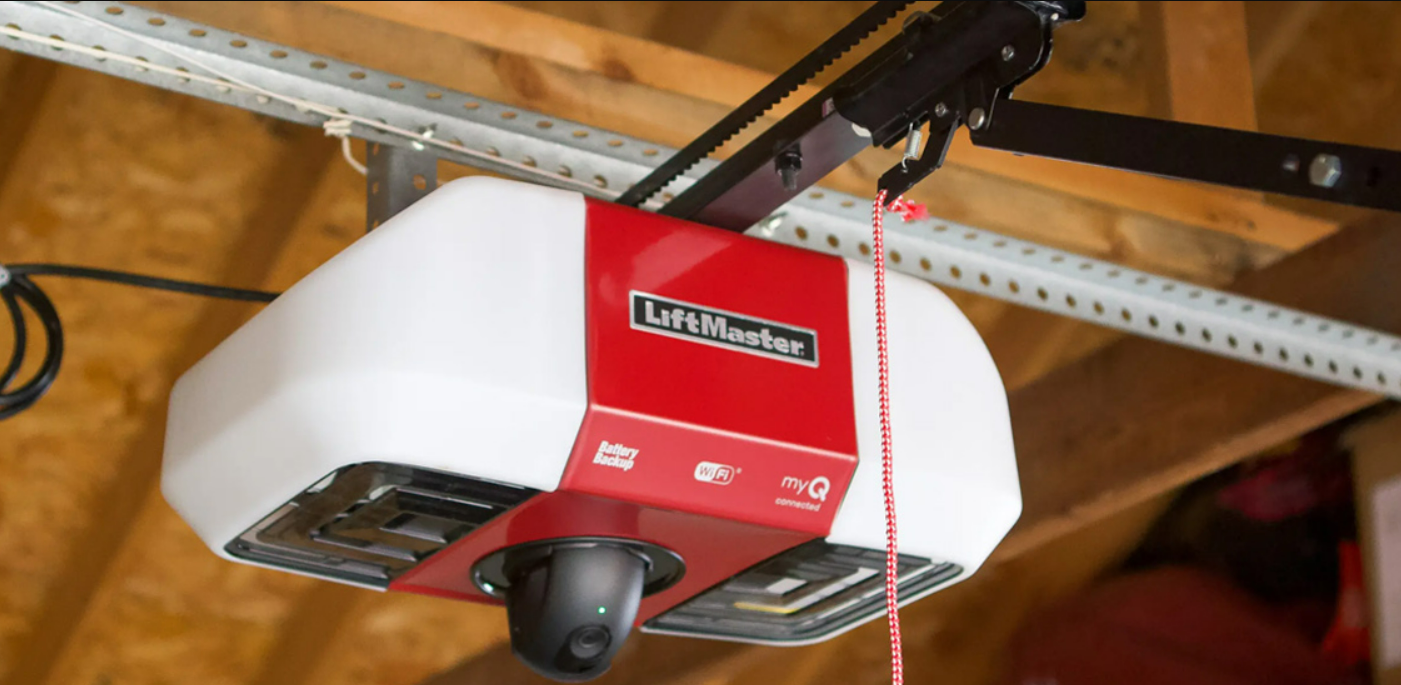
If the electrical components are working, check the physical hardware. Listen to the motor while it’s running. A low hum is normal, but loud grinding, scraping, or clicking noises point to severe internal wear. If the motor runs loudly but the panels don’t move, the plastic drive gear has likely broken and needs to be replaced.
Next, test the balance of your tension system. Pull the red emergency release cord to disconnect the motor from the drive belt. Lift the panels halfway up the tracks by hand and step back. A good tension system will hold the door in place. If the panels slam to the ground, your springs have lost their strength. An unbalanced system forces the motor to lift hundreds of pounds on its own, which will quickly destroy the internal gears.
Knowing how to evaluate your garage door machinery helps you make smart, cost-effective maintenance decisions. While you can clean dirty sensors or replace dead batteries yourself, you should never try to replace internal motor gears or high-tension springs without professional training. Tampering with these components is dangerous and can cause more damage. If your checks reveal stripped gears, faulty logic boards, or severe balance issues, hiring an expert will protect your investment. For safe, fast, and dependable assistance, contact Garage Door Repair Services Fort Pierce FL to get your machinery running flawlessly again.
Contact Garage Door Repair Services Fort Pierce FL Today
Call us Here
Hours of Operation
Sun 7:00AM – 11:00PM
Mon 7:00AM – 11:00PM
Tue 7:00AM – 11:00PM
Wed 7:00AM – 11:00PM
Thur 7:00AM – 11:00PM
Fri 7:00AM – 11:00PM
Sat 7:00AM – 11:00PM
RECENT POST
Garage Door Repair | Fast & Reliable Service
Broken Garage Door? Here’s Why You Need an Expert A garage door that won’t open
The Cost of Neglecting Garage Door Repairs
The Cost of Neglecting Garage Door Repairs You rely on your automatic entrance every day
Prevent Long-Term Damage With Garage Door Repair
Prevent Long-Term Damage With Garage Door Repair Your home’s automatic entrance handles incredible physical stress
Boost Energy Efficiency With Garage Door Repairs
Boost Energy Efficiency With Garage Door Repairs You might not think about your garage when
Don’t Delay Your Garage Door Repairs
Why Garage Door Repairs Should Never Be Delayed Your garage acts as a massive moving
Garage Door Opener Repair: Integrating Smart Home Systems
Smart Home Systems & Your Garage Opener You can control your lights, thermostat, and security
How to Diagnose Garage Door Opener Issues
How to Diagnose Garage Door Opener Issues You press the button on your remote control,
Why Your Garage Door Opener Might Be Struggling
Why Your Garage Door Opener Might Be Struggling You press the button on your remote